A low quotation for an HCHCR rod does not prove that it is the right tool steel, because grade, supply condition, machining allowance and heat treatment all affect the finished cost. By the end, you will be able to match D2-type HCHCR to a Madurai job, compare it with tougher or easier-to-machine alternatives, and specify stock that will not create avoidable waste.
Key takeaways
- Treat HCHCR as a trade label; confirm D2, SKD11 or 1.2379 equivalence.
- Match hardness, wear resistance and operating temperature to the tool’s real workload.
- Price machining, heat treatment, grinding and scrap—not just the rod.
- Request dimensions, heat number, test certificate and delivery terms before ordering.
What HCHCR means—and when D2 is the right grade
HCHCR means high-carbon, high-chromium tool steel, but it is a trade label rather than one universal grade. In Indian tool-steel supply, HCHCR usually means a steel comparable to D2, JIS SKD11 or EN 1.2379. Typical D2 chemistry is about 1.4–1.6% carbon, 11–13% chromium, 0.7–1.0% vanadium and 0.6–1.0% molybdenum.
| Grade | Main characteristic | Choose it when |
|---|---|---|
| D2 / HCHCR | High wear resistance, good dimensional stability and moderate toughness | A cold-work tool needs long wear life with limited impact |
| O1 | Oil-hardening steel with good toughness and easier machining | You need a tougher, simpler tool and can control quenching distortion |
| A2 | Air-hardening steel with better toughness than D2 and lower wear resistance | The tool faces impact or shock and dimensional change matters |
| D3 | Higher carbon and chromium than D2; extreme wear resistance but low toughness | Abrasive wear dominates and chipping risk is acceptable |
D2 is the practical middle ground when abrasion and edge retention matter more than impact strength. It suits a tool that must hold size after hardening, but it is a poor choice for repeated shock loads where A2 or O1 can survive longer.
Do not accept “HCHCR” alone on a quotation. Ask for the exact designation, chemical analysis, heat number and mill test certificate; two rods carrying the same market label can differ in carbide content, toughness and heat-treatment response. Supplier hardness also matters: annealed rod is intended for machining, not direct use as a finished hardened tool.
Match D2 HCHCR to the actual load, wear and temperature
D2 HCHCR earns its cost when abrasive wear, edge retention and dimensional stability matter more than shock toughness. It suits cold-work tooling, not parts that are repeatedly hammered or exposed to sustained hot service.
Use HCHCR rods for engineering applications such as:
- Blanking and punching dies processing mild steel, stainless sheet or abrasive strip
- Slitter knives and shear blades where edge wear controls production downtime
- Forming tools, gauges, mould inserts, guide components and replaceable wear inserts
- Punches that see high compressive load without severe sideways impact
| Application condition | D2 fit | Better choice when |
|---|---|---|
| High sliding or abrasive wear | Excellent | Use D2 for long edge or surface life |
| Repeated impact, shock or misalignment | Poor to moderate | Choose A2, S7 or another tougher grade |
| Tight dimensions after hardening | Good with controlled heat treatment | Choose a lower-distortion route if grinding allowance is limited |
| Hot cutting or die service | Poor | Choose H13 or another hot-work steel |
| Corrosive contact | Limited | Choose stainless tool steel when corrosion governs |
Do not specify D2 by load alone. A thick punch under steady compression may perform well, while a slender punch struck off-centre can chip at the same hardness. D2 is also a poor substitute for corrosion-resistant steel around water, chemicals or frequent washdown.
Order the rod annealed if you will turn, mill or drill it locally. Hardened stock adds carbide or CBN machining and grinding work, while heat treatment can distort the final tool.
Price the complete route from round rod to finished tool
Buying the rod is only the first cost; the finished tool still needs preparation, machining, heat treatment and finishing. The hchcr rod price in madurai is meaningful only when diameter, length, condition, tolerance, finish, certification, GST and freight match the competing quote.
Price the complete route as separate operations:
- Cut the bar, allowing for saw kerf and unusable ends. A cut piece can carry a higher per-kilogram charge than a full bar.
- Turn, mill or drill the rod in annealed or soft-annealed condition. Hardened stock needs carbide, CBN or grinding, which raises tool wear and machining time.
- Leave machining allowance for removing scale, decarburised surface or other defects. Nominal rod diameter is not the finished-tool diameter.
- Harden and temper the machined tool to the specified hardness. Heat treatment adds furnace, loading, transport and inspection charges, while distortion can create extra correction work.
- Grind faces, bores and cutting edges to final size. This step controls accuracy but consumes time and can remove more material after distortion.
- Inspect dimensions, hardness and cracking, then account for rejected parts, trial pieces and scrap.
Ask for the usable finished diameter or guaranteed machining allowance, not just catalogue diameter. Compare the total route against a finished heat-treated tool: raw stock suits repeat production with in-house capability, while a finished tool can cost less when quantities are small or grinding and heat treatment are outsourced.
A mill certificate and heat number also prevent a cheap quote from hiding a different grade.
Check the rod, certificate and quote before placing an order
Before comparing two quotations, make both sellers identify the same material and delivery condition. Ask an HCHCR rod dealer in Madurai for D2 or SKD11-type tool steel, not a vague “high-carbon chromium” grade.
1. What exact grade designation appears on the bar and invoice? Request the chemical composition, heat number, country of origin and producing mill.
2. Can you provide the mill test certificate for that heat? Check that its carbon, chromium, molybdenum and vanadium values match the declared grade.
3. What diameter, cut length, straightness and diameter tolerance will you receive? Ask for the usable finished diameter after removing scale, decarburised surface or machining allowance.
4. Is the rod soft-annealed, annealed, hardened or ground? Request the supplied hardness range and test method. Annealed stock suits local turning, milling and drilling; hardened stock adds carbide, CBN or grinding work.
5. Does the quote include a full bar or cut piece, GST, cutting charges, freight, inspection documents and packaging? Record every item before comparing the per-kilogram rate.
A low HCHCR rod price in Madurai can reflect a smaller diameter, shorter cut, missing certificate or different grade rather than a saving. If you request a quote from Sun Steel Traders, send this same specification so its offer remains comparable with other sellers.
Ask for the recommended heat-treatment condition too; the supplied hardness does not predict the finished tool’s hardness.
Related product
 | We Provide Die Steel Rounds in below mentioned grade. The quality is as per industry specifications. Grade: HCHCR - D2 View product → |
Use a purchase checklist for forms, storage and final suitability
Buy D2 HCHCR rod when abrasive wear and dimensional stability matter more than impact toughness. Choose a different form when the tool’s geometry makes round stock wasteful, and choose a tougher grade when shock or interrupted loading could crack the finished part.
| Option | What to buy | When it applies |
|---|---|---|
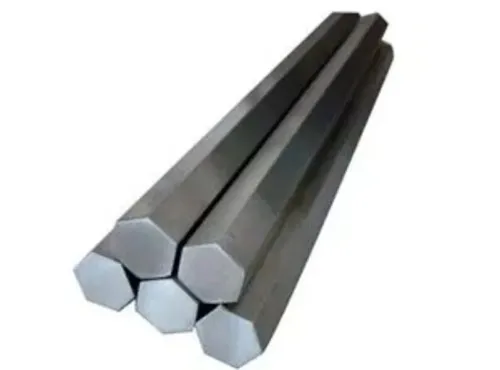
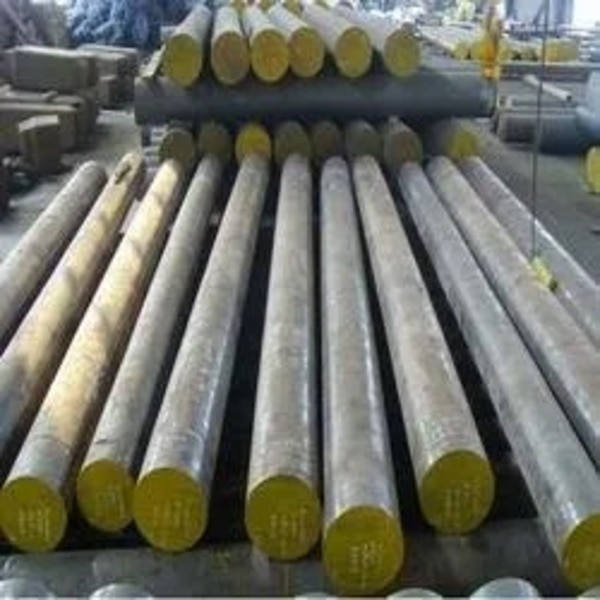
| D2 rod | Annealed round bar with machining allowance | Punches, wear pins, gauges and small cylindrical tools |
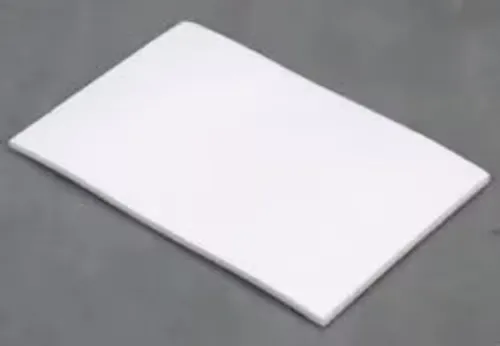
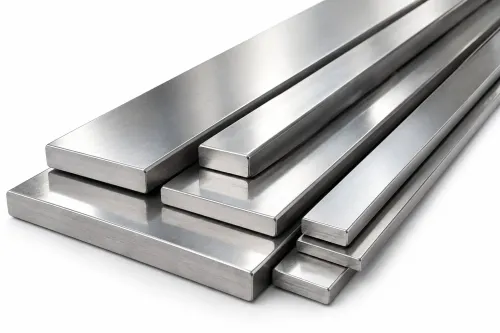
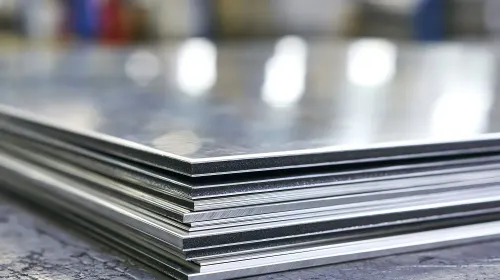
| D2 plate or flat | Annealed plate or ground flat stock | Blades, inserts, dies and parts with broad rectangular sections |
| A2 or S7 | Tougher tool steel, selected for impact resistance | Chisels, heavy punches, interrupted cuts or tools exposed to sudden shock |
| D3 | Higher wear resistance with lower toughness | Severe sliding abrasion where fracture risk is low |
Before accepting a quotation, ask an HCHCR rod supplier in madurai to state:
- D2 or SKD11 designation, chemical composition, heat number and mill test certificate
- Diameter, cut length, straightness, tolerance, supply condition and hardness
- Country or mill of origin, GST, freight and whether the price covers a full bar or cut piece
- Minimum guaranteed machining allowance after removing scale, decarburised skin and surface defects
- Ground or black finish, plus the inspection method for dimensions
Store the rod under cover, off the floor, with rust-preventive oil and sealed protection from humid air. Madurai heat does not make HCHCR stainless; surface rust can begin before machining.
Reject a nominal diameter that cannot leave usable material after machining and hardening distortion. Compare delivered cost per usable finished part, not kilogram price alone.
Frequently asked questions
What does HCHCR mean, and is it the same as D2 steel?
HCHCR means high-carbon, high-chromium tool steel, but it is a trade label. In Indian tool-steel supply, it commonly refers to material comparable to D2, JIS SKD11 or EN 1.2379. Confirm the grade and chemistry instead of relying on the HCHCR name alone.
When is D2 HCHCR suitable for an engineering tool?
D2 suits tools that need high wear resistance and dimensional stability, such as punches, dies, shear blades and forming components. Check the actual load, abrasive wear, impact, working temperature and required hardness before selecting it.
What costs should you include when comparing HCHCR rod prices in Madurai?
Include the rod, cutting, turning or milling, heat treatment, straightening, grinding, inspection, transport and material lost during machining. A cheaper rod can cost more overall if it needs extra processing or produces unsuitable finished parts.
Which documents and details should you check before buying HCHCR rods?
Ask for the exact grade designation, dimensions, heat or batch number, chemical analysis and mill test certificate. Confirm surface condition, straightness, delivery form, quantity, tolerances and whether the material matches your heat-treatment route.
Keywords