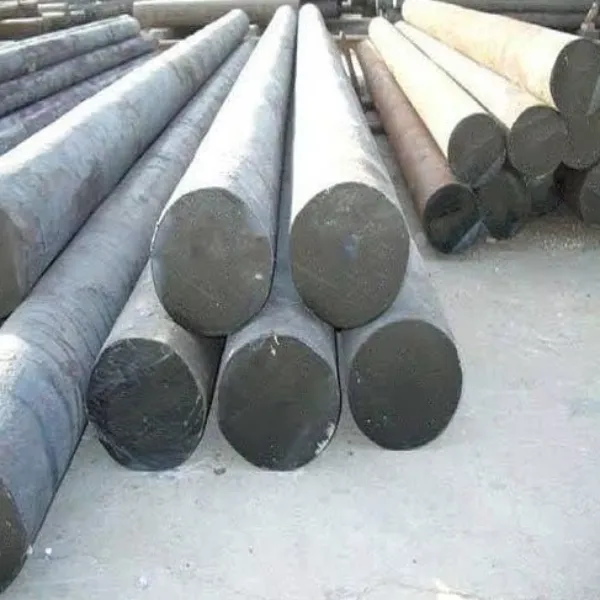
EN 36 is an alloy steel commonly considered for components that require a hard, wear-resistant surface with a comparatively tough core. It is generally associated with case-hardening applications, where the surface is enriched with carbon and heat-treated after machining.
Manufacturers evaluating EN 36 rod suppliers in Madurai should confirm the grade, processing route and required dimensions before production begins. Material selection alone does not guarantee component performance; machining, heat treatment and final inspection are equally important.
How EN 36 Steel Is Used
EN 36 may be selected for engineering components exposed to surface wear, repeated contact or demanding mechanical conditions. Depending on the approved design and heat-treatment specification, applications can include:
- Gears and pinions
- Shafts
- Bushes
- Spindles
- Cam-related components
- Heavy-duty transmission parts
- Wear-resistant machine components
- Selected automotive and industrial parts
The material is normally machined in a softer condition before carburising and hardening. This allows the component to obtain a hard outer layer while retaining greater toughness internally.
Why Case Depth Matters
The required case depth depends on component size, service load, wear conditions and engineering design. A shallow hardened layer may be inadequate for a heavily loaded part, while excessive case depth can add cost and processing time without improving the application.
The buyer should therefore avoid ordering EN 36 based only on diameter and length. The component manufacturer and heat-treatment specialist should agree on:
- Target surface hardness
- Effective case depth
- Core-property requirements
- Heat-treatment cycle
- Distortion allowance
- Final grinding allowance
These parameters should be based on the drawing, applicable standard and operating conditions.
Supply Details to Confirm
A clear material enquiry reduces delays and unsuitable substitutions. Include:
- Grade designation and applicable specification
- Required diameter
- Length or cut-piece dimensions
- Quantity
- Supply condition
- Tolerance requirements
- Test-certificate requirements
- Intended heat-treatment process
When traceability is important, request supporting documents at the enquiry stage. Do not assume that certificates, batch identification or special testing are automatically included.
Allow for Machining and Heat-Treatment Changes
Case-hardening components may distort during thermal processing. Precision parts often require grinding after heat treatment to achieve final dimensions and surface finish.
Manufacturers should provide appropriate allowances for:
- Initial surface cleanup
- Rough machining
- Heat-treatment distortion
- Final grinding
- Test samples, where required
- Cut-off losses
Insufficient allowance can leave the finished component undersized. Excessive allowance increases material use and machining time.
Avoid Confusing Similar Engineering Grades
EN-series designations are not interchangeable. EN 8, EN 19, EN 24, EN 36 and EN 41 have different compositions, heat-treatment responses and typical uses.
Selecting a familiar grade because it is readily available can create performance or processing problems. Engineering approval should be obtained before any substitution, especially for gears, shafts and safety-relevant machinery.
Local Sourcing for Madurai Industries
Madurai supports engineering workshops, fabricators, equipment repair businesses and manufacturers that may require alloy steel in standard lengths or cut quantities. Local procurement can make specification discussions, material inspection and production scheduling easier.
Sun Steel Traders is among the businesses supplying EN-series rods and other industrial materials in Madurai. Procurement teams should share complete technical requirements so availability can be checked accurately.
A Practical Procurement Checklist
Before releasing the purchase order, verify:
- Grade and standard are stated correctly
- Diameter and length match the machining plan
- Required quantity includes process losses
- Supply condition is confirmed
- Traceability needs are documented
- Heat-treatment requirements are separately defined
- Delivery timing matches the production schedule
EN 36 can be a suitable choice for carefully engineered case-hardened parts, but successful results depend on the complete manufacturing process. Clear specifications and coordinated machining and heat treatment are essential for achieving the intended surface and core properties.
Keywords