Machine parts are not always best produced from steel, aluminium or bronze. In applications where low weight, reduced noise, electrical insulation or resistance to certain forms of wear is important, cast nylon may offer practical advantages.
Buyers searching for cast nylon rod dealers in Madurai should begin by understanding the operating environment. Nylon performs differently from metal and must be designed with its moisture absorption, temperature response and loading limits in mind.
What Is a Cast Nylon Rod?
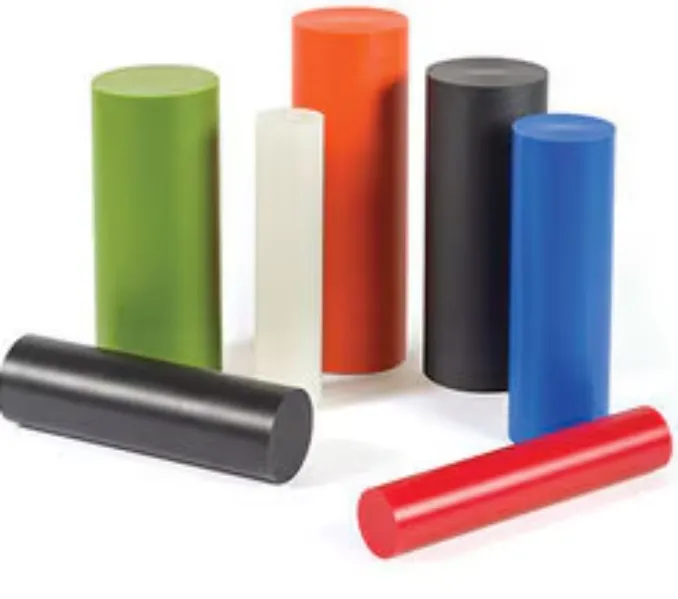
Cast nylon rod is an engineering-plastic stock shape used for machining components. It is available in different diameters and formulations, depending on the supplier and application.
It is commonly machined into:
- Rollers
- Bushes
- Wear pads
- Guides
- Pulleys
- Gears
- Spacers
- Insulating parts
- Low-friction machine components
Its relatively low weight can make larger components easier to handle. Nylon can also help reduce metal-to-metal contact, vibration and operating noise in suitable assemblies.
Cast Nylon and Metal Serve Different Needs
Cast nylon should not be treated as a universal metal replacement. Its suitability depends on load, speed, temperature, chemical exposure, dimensional tolerance and moisture conditions.
It may be advantageous when the application values:
- Lower component weight
- Reduced operating noise
- Good machinability
- Electrical insulation
- Corrosion resistance
- Reduced lubrication requirements in suitable conditions
- Protection of mating metal surfaces
Metal may remain preferable where there are very high temperatures, extreme loads, tight tolerances under changing humidity or specific fire-performance requirements.
Account for Moisture Absorption
Nylon can absorb moisture from the surrounding environment. This may cause dimensional changes and influence mechanical or electrical properties.
For ordinary rollers and wear parts, the effect may be manageable. For precision bushes or components with close running clearances, it must be considered during design and machining.
Buyers should inform the dealer or machinist if the component will operate:
- Outdoors
- In humid surroundings
- Near water
- In wash-down areas
- Under tight dimensional tolerances
- With prolonged immersion or fluid exposure
A designer may need to adjust clearances or consider a different engineering plastic.
Check Temperature and Loading Conditions
Continuous load and temperature can influence nylon performance. A component that works at room temperature under intermittent loading may behave differently when exposed to heat and continuous pressure.
Before selecting the rod, document:
- Maximum and normal operating temperature
- Static or dynamic load
- Rotational or sliding speed
- Contact with oils or chemicals
- Required service life
- Dimensional tolerance
- Lubrication conditions
- Exposure to moisture
These details enable a more responsible material decision.
Machining Considerations
Cast nylon is generally machinable using suitable tools and practices, but poor technique can generate heat, affect finish or distort the part.
Machinists should use sharp tools, suitable cutting parameters and adequate support. Deep cuts or heavy clamping can be problematic for some geometries. Material should also be allowed to stabilise where precision dimensions are important.
Buying the Right Rod Size
Select a diameter that provides enough machining allowance without producing excessive waste. The rod should be checked for visible damage, significant warping and storage-related issues.
Madurai’s engineering workshops and maintenance teams often need small quantities for replacement parts as well as larger sizes for planned production. A local source can simplify size confirmation and reduce delays when a worn roller, guide or bush needs replacement.
Sun Steel Traders supplies cast nylon rods and other engineering materials for industrial requirements in and around Madurai. Buyers should provide the finished component size and application conditions when requesting availability.
Cast nylon can improve machinery performance in the right application, particularly where weight, noise, corrosion or sliding contact is a concern. The best results come from treating it as an engineered material with its own design rules not simply as a cheaper substitute for metal.
Keywords