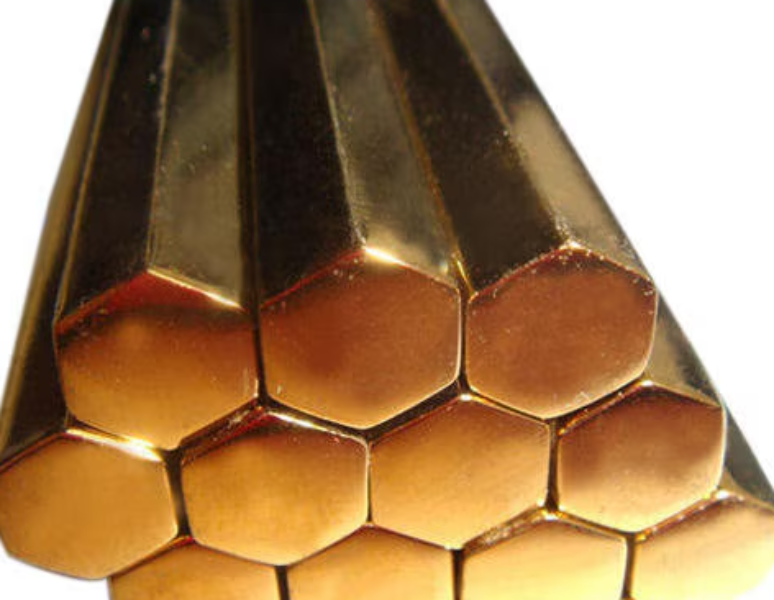
Brass hexagonal bars provide ready-made flat surfaces for machining nuts, connectors, valve components, electrical parts and precision fittings. Their shape can reduce machining compared with producing a hexagonal component from round stock.
The performance of the finished part, however, depends on the brass grade, dimensional consistency and suitability for the operating environment. Buyers evaluating brass hex dealers in Madurai should communicate more than the distance across the flats.
Why Hexagonal Brass Is Used
Hex stock is convenient for components that must be held or tightened using a spanner. It can also be efficiently fed into turning equipment for batch manufacturing.
Typical applications include:
- Nuts and threaded inserts
- Electrical terminals
- Valve parts
- Plumbing fittings
- Instrument components
- Connectors and adaptors
- Decorative hardware
- Precision-turned products
The required brass grade can vary according to machining, forming, corrosion and regulatory requirements.
Specify the Measurement Correctly
Hexagonal material is commonly ordered using its dimension across flats. Confusing across-flats measurement with across-corners measurement can lead to incorrect material selection.
A purchasing enquiry should clearly state:
- Required across-flats size
- Length
- Quantity
- Brass grade
- Dimensional tolerance
- Surface condition
- Cut-length requirement
- Test-document requirements
Providing a drawing is advisable for critical or repeat-production components.
Match the Grade to the Application
Some brass grades are selected for ease of machining, while others may offer different forming, strength or corrosion characteristics. Applications involving potable water, food-contact systems or regulated products may also have specific material requirements.
Do not approve a substitute based only on colour or approximate composition. The production and quality teams should verify that the proposed grade meets the technical and regulatory needs of the finished product.
Assess Machining Economics
Hex bar can improve material utilisation when the final part contains external flats. It reduces the milling or shaping required after turning.
Procurement managers should compare:
- Bar size against final component dimensions
- Number of pieces per stock length
- Cut-off loss
- Turning and threading allowance
- Tooling requirements
- Scrap value
- Cycle-time reduction
A slightly higher raw-material cost may still provide better overall economics if it significantly reduces machining operations.
Watch for Surface and Dimensional Issues
Consistent dimensions help maintain reliable workholding and finished-part accuracy. Check for:
- Twisting
- Bent lengths
- Damaged corners
- Heavy surface marks
- Variation across flats
- Poorly cut ends
- Mixed sizes within a bundle
Visual appearance may also matter when the original bar surface remains on a decorative or customer-facing part.
Store Brass Properly
Brass can develop surface tarnish during storage. Although this may not affect every engineering application, it can influence appearance and increase finishing work.
Store bars in a dry, covered area and avoid direct contact with contaminants. Separate different grades and sizes with clear identification to prevent production mix-ups.
Selecting a Madurai Supplier
A suitable supplier should be able to discuss size, grade, quantity, cutting and delivery requirements clearly. Industrial buyers in Madurai may also benefit from a provider capable of supplying other metals needed for the same project.
Sun Steel Traders supplies brass hex bars and related industrial materials in Madurai. Fabricators can share component drawings or size schedules when seeking stock for batch machining.
Before selecting a dealer, ask whether the quoted material matches the required grade and measurement convention, whether batch documents are available when needed and whether delivery can support the production programme.
Brass hex procurement becomes far more predictable when the buyer connects material specifications with machining economics. Correct grade selection, accurate measurement and consistent stock can reduce waste while improving productivity across repeated manufacturing runs.
Keywords