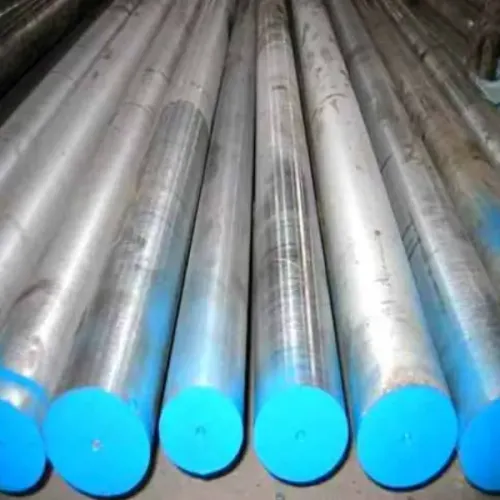
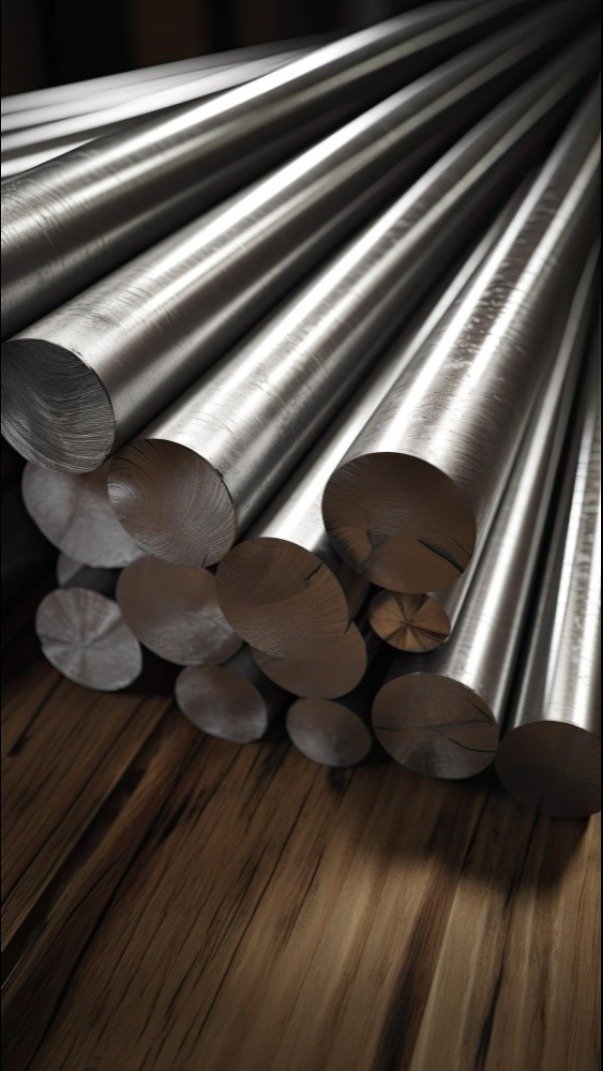
Aluminium round rods are commonly machined into spacers, shafts, connectors, fasteners, handles, fittings and equipment parts. They are also used in electrical, architectural and general fabrication work where low weight and corrosion resistance are valuable.
For fabricators comparing aluminium round rod suppliers in Madurai, the main challenge is obtaining material that matches the drawing, machining process and final service conditions.
Begin with the Finished Component
The stock diameter should be chosen only after considering the finished dimension and machining allowance. Ordering a rod too close to the final size may leave insufficient material for surface cleanup. Selecting an unnecessarily large diameter increases turning time and scrap.
Prepare the following information before seeking a quotation:
- Finished component diameter
- Required stock diameter
- Component length
- Quantity
- Alloy and temper
- Surface-finish requirement
- Dimensional tolerance
- End-use conditions
For repeat jobs, a component-wise cutting schedule can help the supplier understand the total requirement.
Select the Appropriate Alloy
Different aluminium alloys provide different levels of strength, workability, corrosion resistance, machinability and suitability for welding or anodising.
The alloy should follow the approved technical drawing. Where no grade has been specified, the designer or production engineer should evaluate:
- Mechanical load
- Exposure to moisture or chemicals
- Machining complexity
- Joining process
- Surface treatment
- Electrical or thermal requirements
- Indoor or outdoor operation
A supplier can clarify availability, but final material approval should remain with the responsible engineering team.
Check Diameter Tolerance and Straightness
Tolerance becomes important when rods are used for long turned parts or production machining. Excessive variation may increase setup time or prevent the stock from fitting the intended workholding arrangement.
Straightness is particularly important for:
- Long shafts
- Rotating parts
- Automatic feeding
- CNC turning
- Components requiring minimal machining
State critical tolerance and straightness requirements at the enquiry stage rather than relying on a visual inspection after delivery.
Calculate Cutting Yield
Procurement decisions should account for actual usable yield. Saw-cut width, facing allowance, damaged ends and gripping allowance can reduce the number of components produced from one stock length.
For example, a long rod cannot simply be divided by the finished component length. Each cut removes some material, and every part may require additional length for facing. Calculating these factors prevents shortages during production.
Review Surface Condition
Surface marks may be removed during full machining, but they matter when part of the original surface remains visible. Deep scratches, dents or oxidation can affect anodised and decorative finishes.
Ask how rods will be bundled and transported. Separators or suitable wrapping may be useful for material with important cosmetic requirements.
Evaluate the Complete Purchase Cost
The best offer is not always the lowest rate per kilogram. Compare:
- Usable material yield
- Machining allowance
- Cutting availability
- Minimum order quantity
- Dimensional consistency
- Delivery cost
- Lead time
- Material documentation
Reliable sizing and cut-length support may reduce internal handling and production waste.
Procurement Support in Madurai
Madurai-based manufacturers, fabrication units and maintenance teams often require aluminium rods for regular production as well as urgent replacement work. Local sourcing can improve delivery coordination and make it easier to confirm available sizes.
Sun Steel Traders supplies aluminium round rods and other industrial raw materials from Madurai. Buyers can provide a size-wise requirement to check availability and plan procurement efficiently.
A well-prepared enquiry should leave no uncertainty about alloy, size, tolerance or application. This approach helps fabricators control material waste, reduce machining time and produce components that meet the intended technical requirements.
Keywords