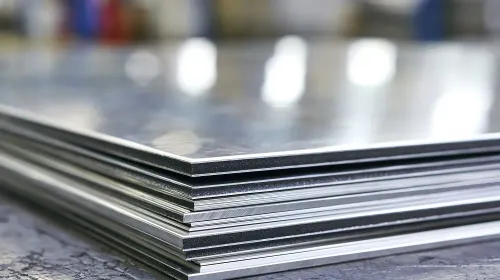
Aluminium flats are widely used in fabrication, electrical work, construction, machinery, transport equipment and general engineering. Although the material appears simple, selecting the wrong alloy, thickness or dimensions can increase machining time, create avoidable waste and affect the performance of the finished component.
Buyers comparing aluminium flat dealers in Madurai should therefore evaluate the material against the actual operating requirements rather than purchasing solely by price.
Why Aluminium Flats Are Used Across Industries
Aluminium offers a useful combination of low weight, corrosion resistance and workability. It can be cut, drilled, machined and formed for a broad range of industrial applications.
Common uses include:
- Machine frames and supporting components
- Electrical panels and busbar-related applications
- Architectural trims and fixtures
- Fabricated enclosures
- Equipment brackets
- Transport and automotive components
- Furniture and interior structures
- General repair and maintenance work
The required properties can vary considerably between these applications. A flat used for a decorative fitting may not need the same mechanical characteristics as one intended for a load-bearing fabricated assembly.
Check the Alloy and Temper
The word “aluminium” covers multiple alloys and tempers. These affect strength, hardness, corrosion resistance, surface finish and machinability.
Before placing an order, determine whether the application requires:
- Easy machining
- Good forming ability
- Higher mechanical strength
- Suitable corrosion resistance
- A particular surface finish
- Compatibility with welding or fabrication
- Electrical or thermal conductivity
If the drawing specifies an alloy or temper, include it clearly in the enquiry. Substituting material without technical approval may affect product performance.
Confirm the Required Dimensions
Width, thickness and length should be checked carefully. Even a small dimensional misunderstanding can result in unusable material or additional machining.
A complete enquiry should mention:
- Required alloy or grade
- Thickness and width
- Length
- Quantity
- Dimensional tolerance, if critical
- Surface-finish expectations
- Cutting requirements
- Intended application
Procurement managers should also clarify whether the dimensions refer to nominal stock size or a finished-machined size. This helps determine the machining allowance needed.
Examine Straightness and Surface Condition
Material condition matters when aluminium flats will remain visible or pass through precision machining. Inspect for deep scratches, edge damage, excessive bending, dents and oxidation marks.
Minor handling marks may be acceptable for some industrial jobs, but they can become a problem in polished, anodised or decorative applications. Communicating the desired finish before dispatch is more reliable than rejecting material after it arrives.
Plan Around Fabrication Waste
The lowest rate per kilogram does not necessarily produce the lowest project cost. If unsuitable stock sizes cause excessive offcuts, machining or jointing, the apparent saving can quickly disappear.
Fabricators can reduce waste by preparing a cutting list before procurement. Group components by width and length, calculate the number of pieces obtainable from each stock length and allow for saw-cutting losses. This is particularly useful for repeat production.
Consider Local Procurement Requirements
Industrial buyers in Madurai often need materials for active fabrication, maintenance or manufacturing schedules. Local availability can simplify inspection, collection, delivery coordination and urgent replenishment. It can also help businesses serving nearby industrial markets across southern Tamil Nadu.
Sun Steel Traders supplies metal and industrial raw materials from Madurai. Buyers can discuss specifications, available dimensions and quantity requirements with the company before confirming an order.
Questions to Ask Before Buying
Before selecting a dealer, ask:
- Is the required alloy and temper available?
- Can the supplier confirm dimensions before dispatch?
- Is cut-length material available?
- What quantity can be supplied from the same batch?
- Can relevant documents be provided when required?
- What is the expected delivery schedule?
- How will the material be handled and transported?
A dependable purchase begins with an accurate requirement. When grade, dimensions, application and finish are clearly communicated, aluminium flat procurement becomes faster, more economical and less likely to disrupt production.
Keywords