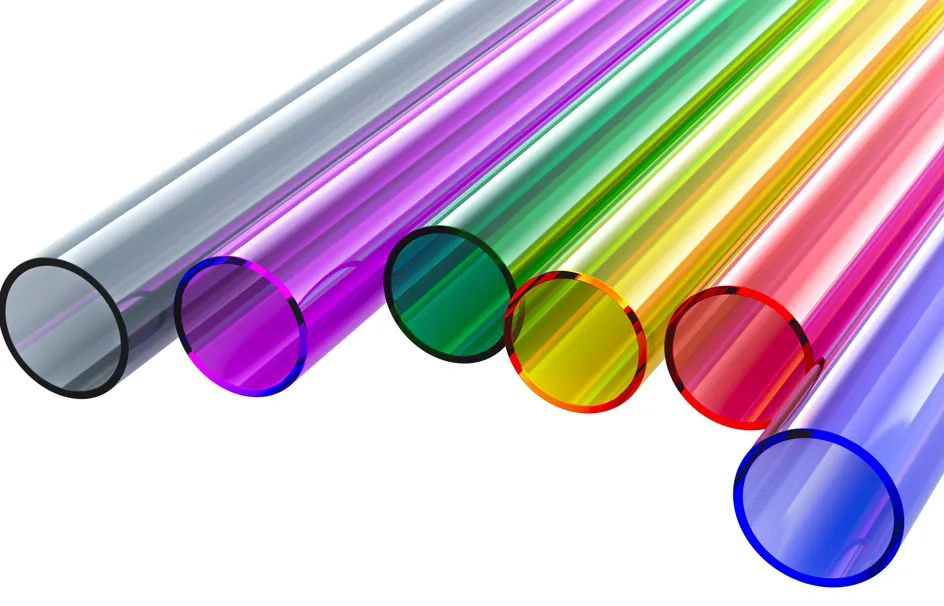
Acrylic rods are used in displays, lighting, décor, laboratory equipment, model-making, machine guards and specialised fabricated products. Their appearance can resemble glass, but acrylic is lighter and can be machined using appropriate tools and techniques.
When evaluating acrylic rod dealers in Madurai, buyers should look beyond diameter and price. Transparency, colour consistency, surface protection, dimensional accuracy and the intended fabrication process can all affect the result.
Clear, Coloured and Special-Finish Rods
Clear acrylic rods are commonly selected when light transmission and visual appearance are important. Coloured rods may be used for decorative parts, branding elements, indicators and display components.
Before ordering, confirm:
- Clear or coloured material
- Required shade
- Diameter
- Length
- Surface finish
- Quantity
- Machining or polishing requirements
- Indoor or outdoor use
Colour can vary between production batches. If several parts must match, sourcing the total quantity together can help maintain consistency.
Cast and Extruded Acrylic
Acrylic stock can be produced using different manufacturing methods. Cast and extruded material may differ in dimensional tolerance, internal stress, machining behaviour and price.
Neither option is automatically correct for every job. The choice depends on whether the buyer needs optical appearance, close dimensional consistency, economical volume production or demanding machining.
Discuss the fabrication process before selection, especially if the rod will undergo:
- Threading
- Deep drilling
- Precision turning
- Flame polishing
- Bonding
- Bending
- Repeated mechanical loading
Inspect Optical and Surface Quality
Surface scratches can remain visible after fabrication, particularly on clear components. Rods should therefore be stored and transported with adequate protection.
For display or lighting use, examine:
- Clarity
- Bubbles or visible inclusions
- Surface scratches
- Colour uniformity
- Straightness
- Diameter consistency
- Damage near the ends
A protective wrapping or film should remain in place for as long as practical during storage and preliminary handling.
Plan the Machining Process
Acrylic can crack, chip or overheat if it is machined with unsuitable tools or excessive feed and speed. Sharp cutting tools and controlled machining conditions are important.
When drilling, adequate support and gradual cutting can reduce the risk of breakout. During polishing, excessive heat may distort the surface or produce stress. The fabrication team should understand acrylic rather than applying metalworking parameters without adjustment.
Understand the Application Limits
Acrylic has useful clarity and weathering characteristics, but it is not suitable for every transparent engineering application. Impact exposure, continuous high temperature, chemical contact and fire requirements must be assessed.
Polycarbonate or another engineering plastic may be more appropriate where high impact resistance is a primary concern. Acrylic may be preferred where optical clarity, surface appearance and rigidity are more important.
The decision should be based on operating conditions, not appearance alone.
Local Buying Considerations
Display fabricators, interior contractors, equipment manufacturers and educational model makers in Madurai may need acrylic rods in varying quantities. Local availability can help businesses inspect clarity and shade before ordering and obtain replacement material without extended lead times.
Sun Steel Traders handles acrylic rods and a wider range of engineering materials for buyers in Madurai. Sharing the application and finish expectations helps the provider identify whether the available material is suitable for the project.
A Useful Pre-Purchase Checklist
Before confirming an order, check:
- Exact diameter and acceptable tolerance
- Clear, coloured or special finish
- Required length and quantity
- Cast or extruded preference, where relevant
- Optical-quality expectations
- Machining and polishing plans
- Environmental exposure
- Packaging and transport protection
The right acrylic rod should match both the visual objective and the fabrication process. Careful selection reduces cracking, mismatched colour, wasted machining time and avoidable rejection of finished components.
Keywords